 Contact us

Pelvic floor muscles: an anatomy refresher
The pelvic floor is important in terms of continence, so here we give a quick overview of what it is and why its function is so critical to both urinary and faecal continence.
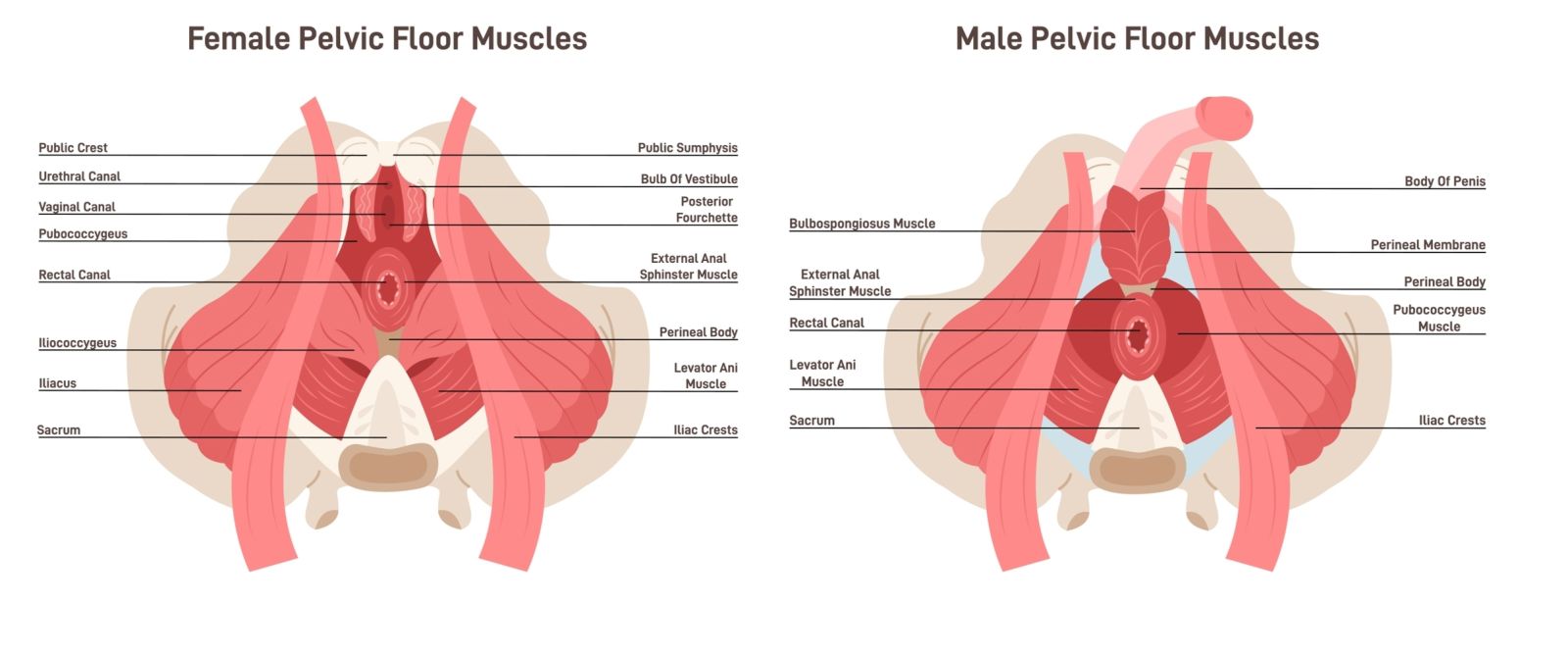
The pelvic cavity is the space inside the bones that make up the pelvis (Figure 1). A number of different muscles make up the wall of the pelvic cavity, with the pelvic floor muscles making up the bottom of the cavity.
The pelvic floor is funnel shaped. It attaches to the walls of the pelvis and separates the contents of the pelvic cavity from the perineum.
There are gaps between the muscles in the pelvic floor which allow urination and defaecation - the urogenital hiatus is at the front of the pelvic floor and allows passage of the urethra (and the vagina in women), and the rectal hiatus, which is central and allows the rectum to pass through the muscles.
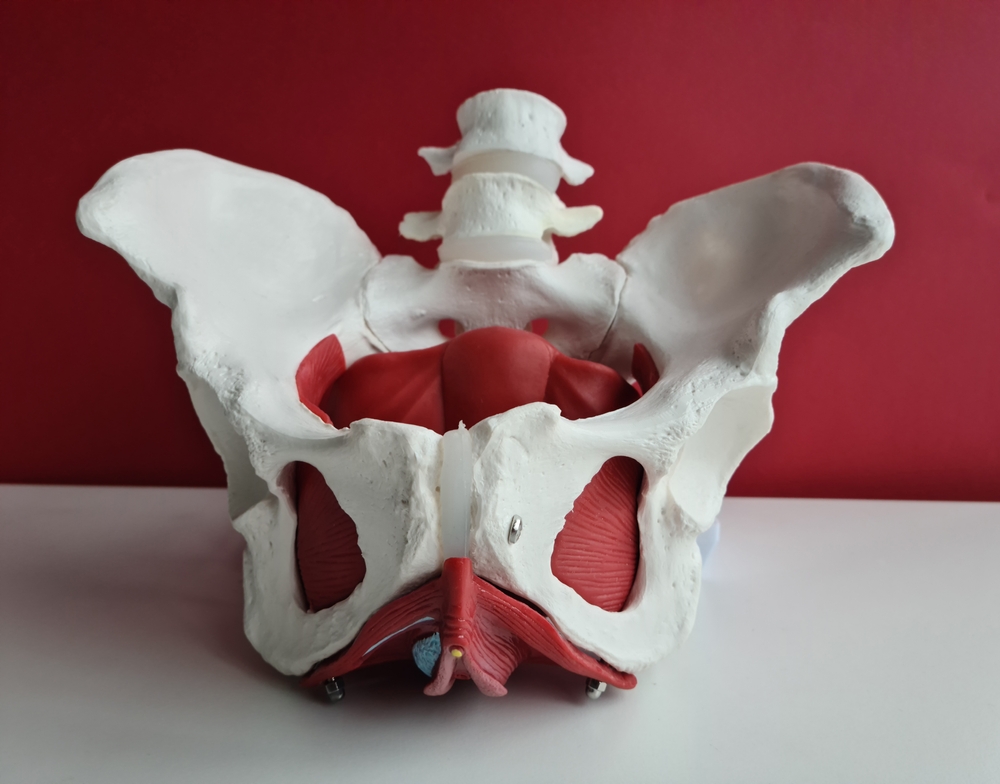 Figure 1. Anatomy of female pelvis showing skeleton and muscles.